LiDAR mapping: Accurate data for construction and surveying
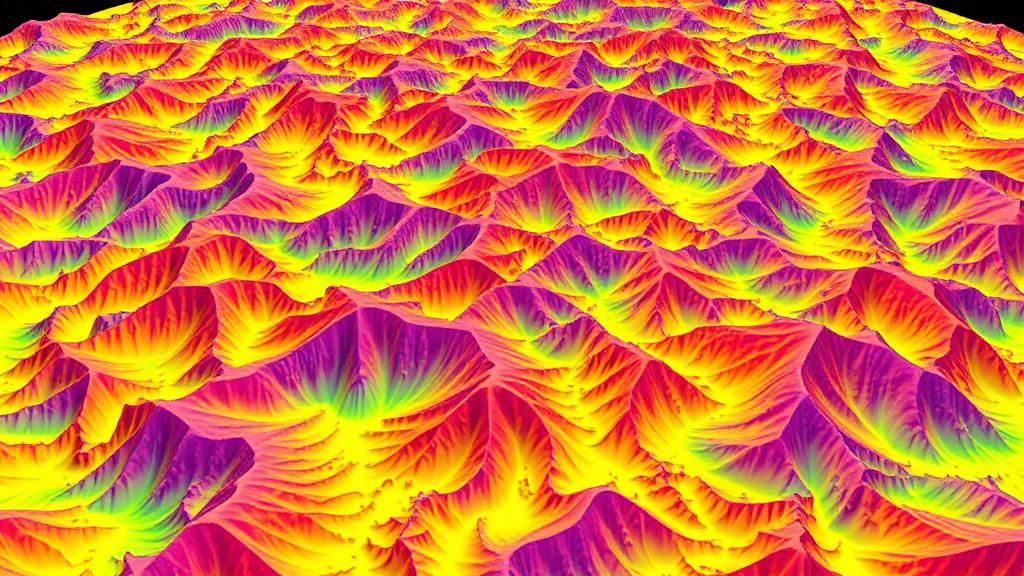
LiDAR on the drone creates accurate 3D models of the terrain, even under vegetation. How does it work and where is it used?
What Is LiDAR and How Does It Work
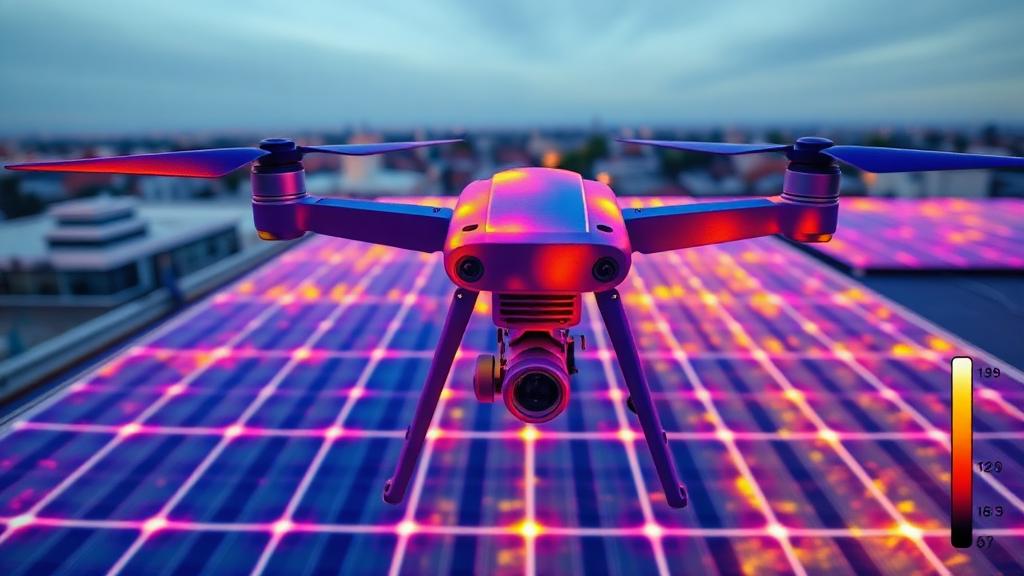
LiDAR (Light Detection and Ranging) is a remote sensing technology that uses laser pulses to measure distances and create highly accurate 3D models of terrain and structures. When mounted on a drone, LiDAR can scan large areas in a fraction of the time required by traditional surveying methods.
Key Advantages of Drone LiDAR
- Penetrates vegetation — unlike photogrammetry, LiDAR can see through tree canopy to map terrain below
- Millimeter accuracy — point cloud accuracy of 1–3 cm in optimal conditions
- Works in any light — no dependence on sunlight or shadows
- Massive data density — millions of points per second for detailed modeling
Applications in Construction and Geodesy
Construction Progress Monitoring
Regular LiDAR scans allow comparison of the actual state with the project, identification of deviations, and prevention of costly errors before they become critical.
Terrain Mapping
For road construction, pipeline laying, or drainage design, LiDAR provides the most accurate terrain data available — including areas covered by vegetation.
Volume Calculations
Quarries, landfills, and construction sites benefit from precise volume calculations based on LiDAR data that are significantly more accurate than traditional methods.
LiDAR vs. Photogrammetry
Both methods have their place. Photogrammetry is cheaper and produces beautiful visual models. LiDAR wins on accuracy, speed, and the ability to work through vegetation. We often combine both for optimal results.
Our Equipment
We use professional LiDAR sensors mounted on DJI Matrice drones, combined with RTK positioning for maximum accuracy. Data processing is done in specialized software with outputs in all standard formats (LAS, LAZ, DXF, SHP).